
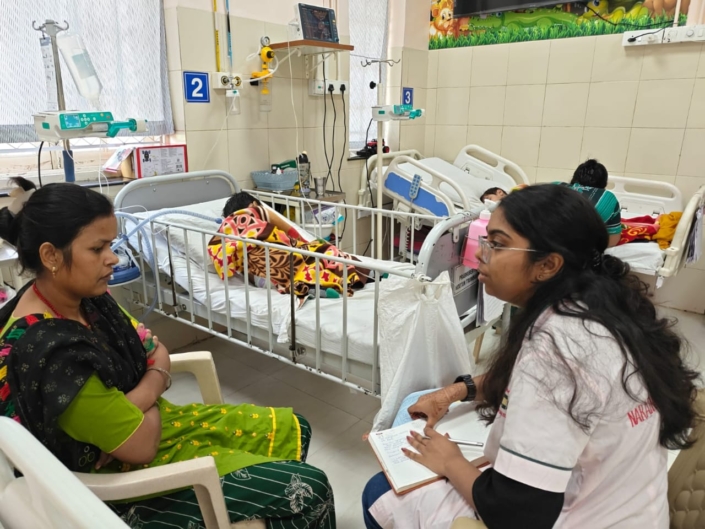
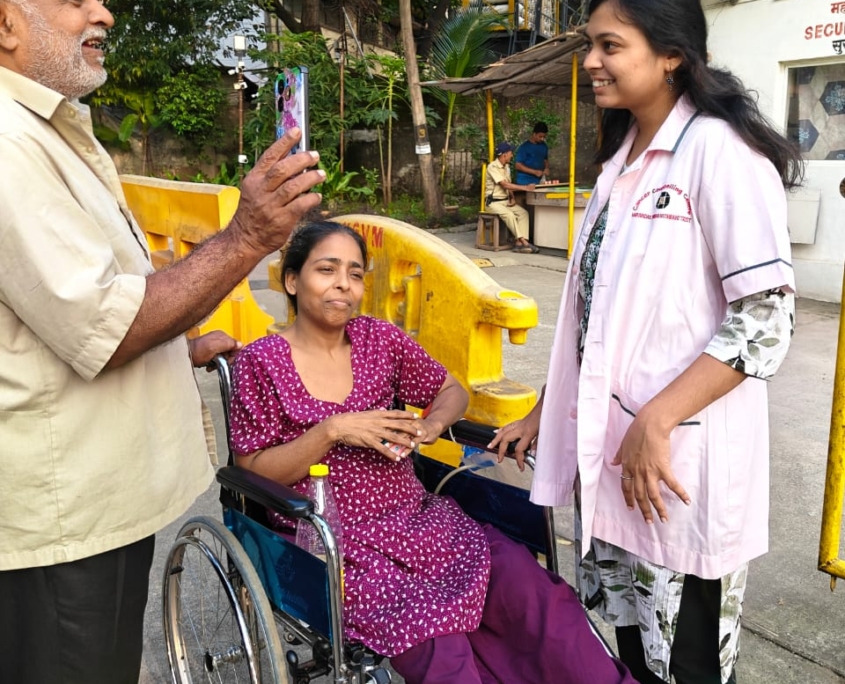
Cancer treatment is not only a physical battle. It is an intense emotional and psychological journey. Dedicated counselling support is provided to economically disadvantaged cancer patients and their caregivers. Individual sessions are held both before and after procedures such as chemotherapy, radiation therapy, and Bone Marrow Transplant (BMT). These sessions help patients and families navigate the fear and uncertainty that comes with a cancer diagnosis. Caregivers too carry an immense emotional burden. They are equally supported to ensure the entire care system around the patient remains strong. Awareness sessions on coping strategies and treatment preparedness give patients the mental resilience to face their journey. Well-being sessions are also conducted for patients, caregivers, and hospital staff alike. This reflects a deeply held belief that every suffering soul deserves not just medical aid, but compassion, dignity, and hope.
Geriatric Mental Health
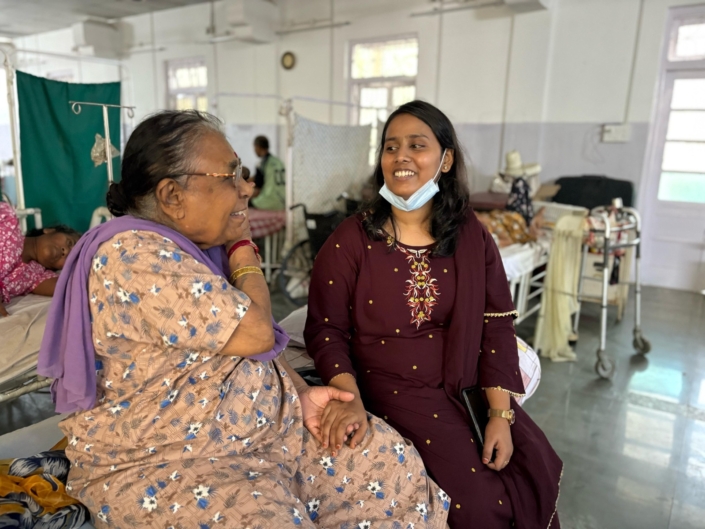
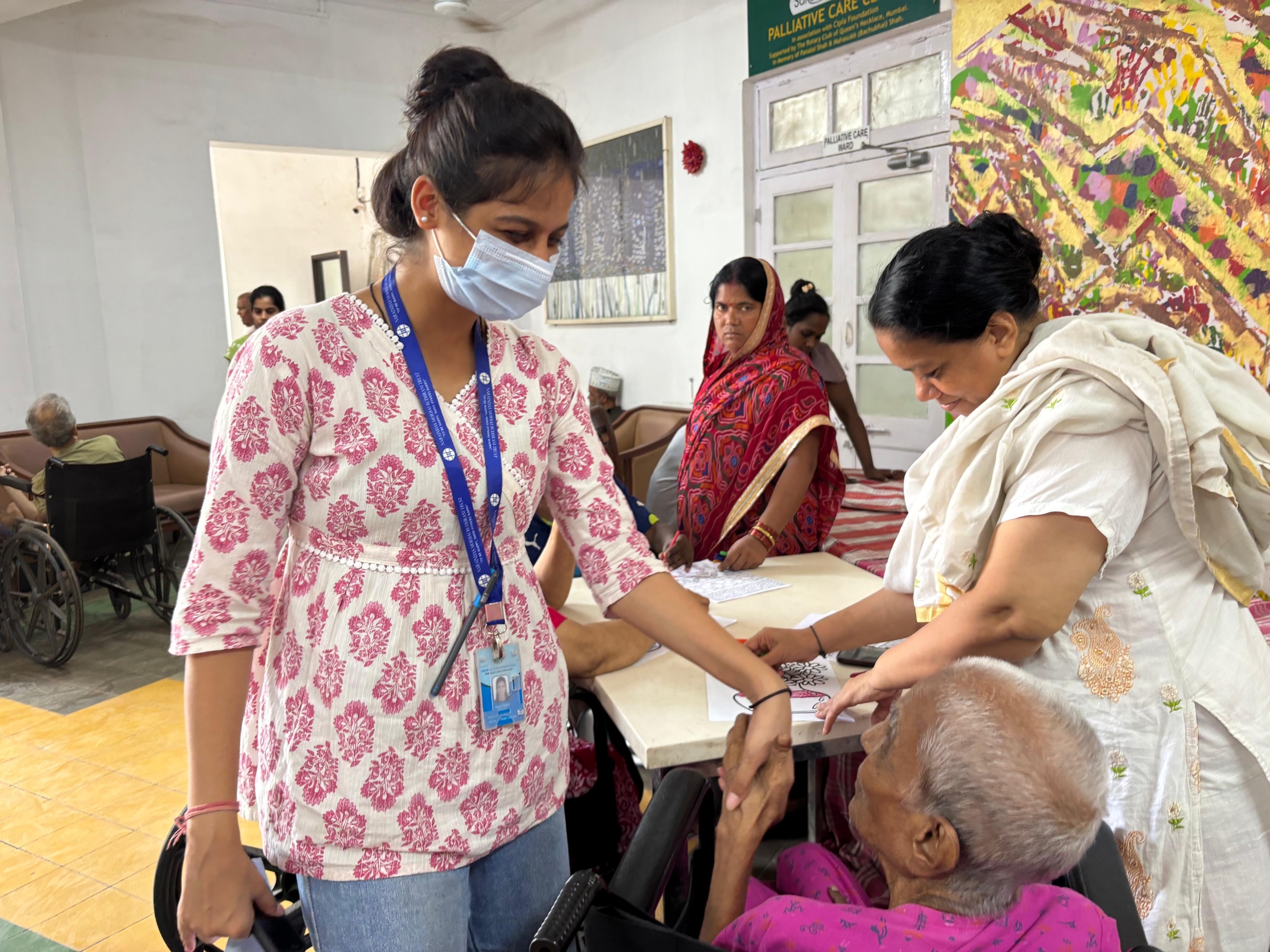
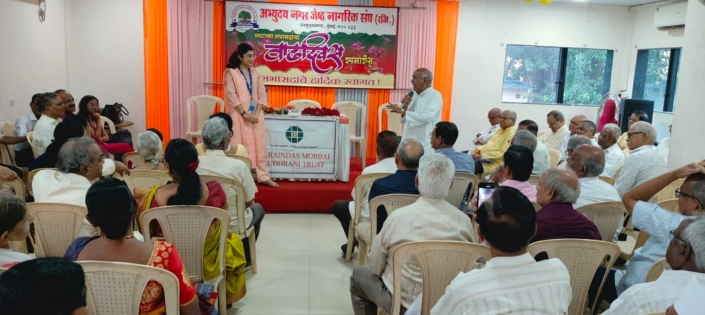
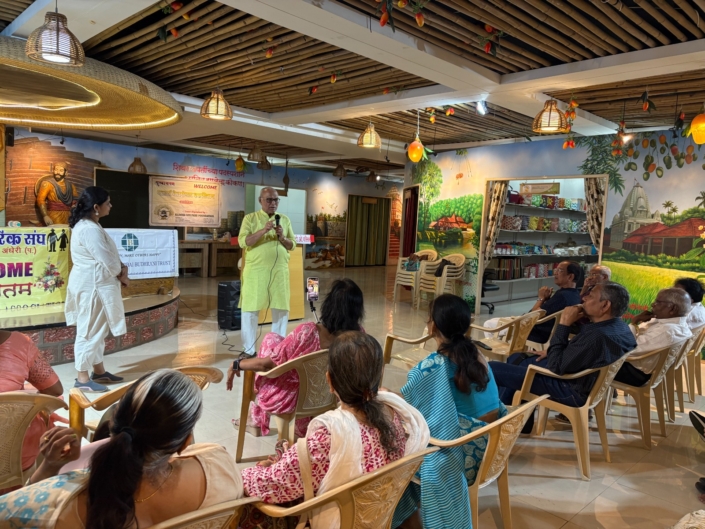
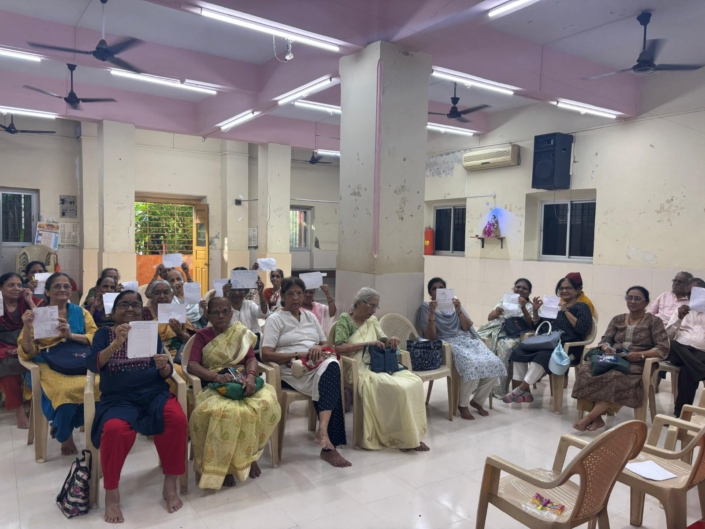
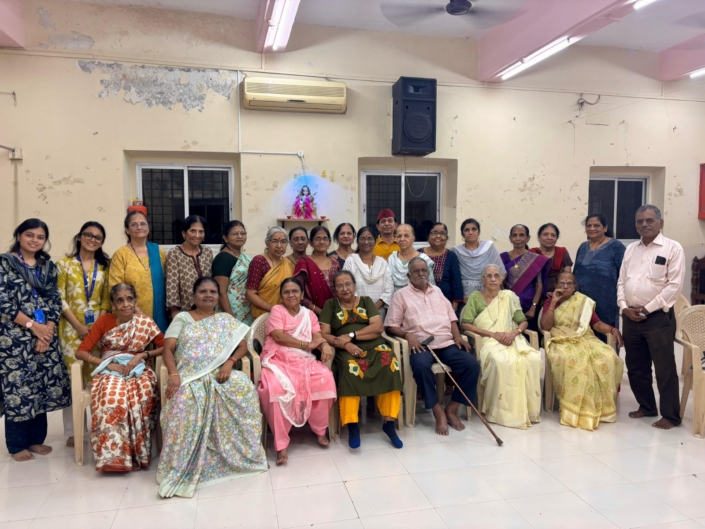
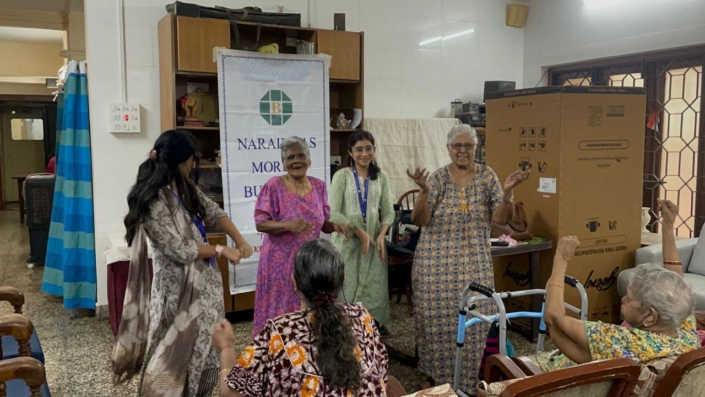
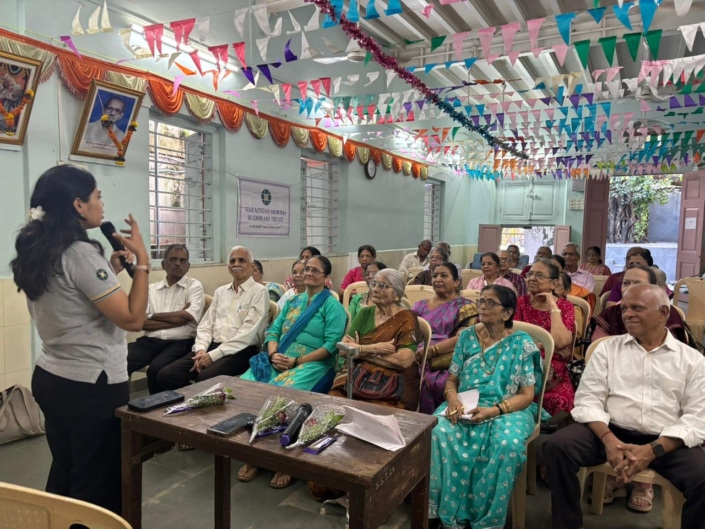
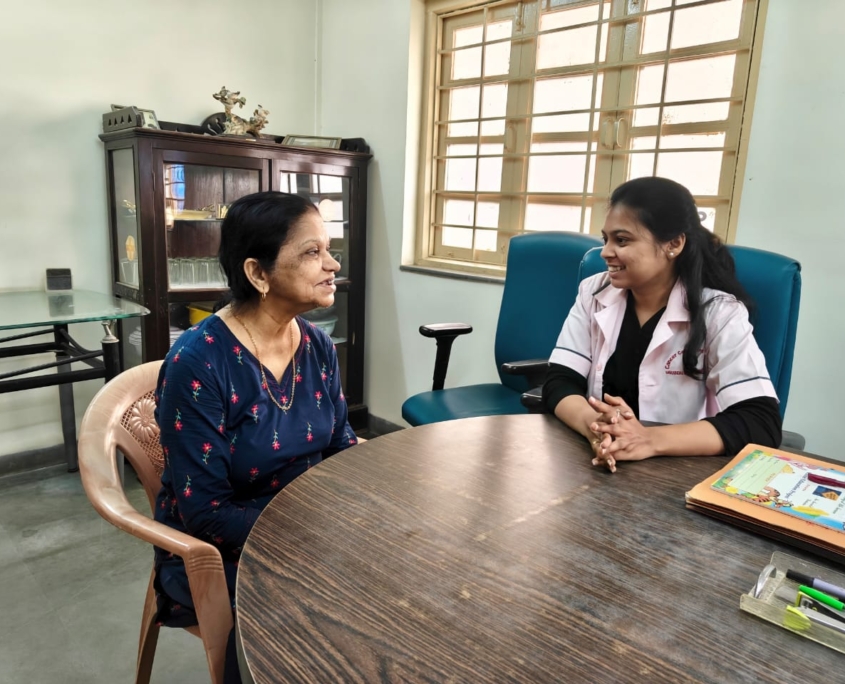
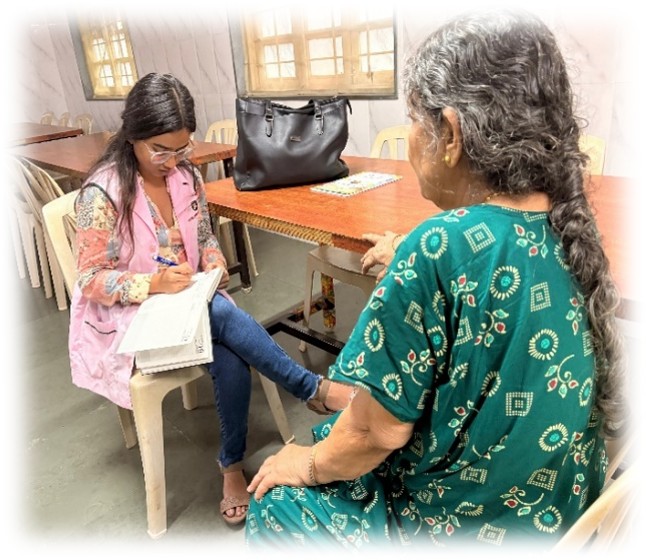
Regular mental health awareness sessions are conducted at old age homes and senior citizen groups to support the emotional well-being of older adults. These interactive sessions cover topics such as positive thinking, stress management, and mindfulness techniques like breathing exercises, guided imagery, and grounding methods. Participants are also introduced to reminiscence therapy and counselling tools they can practice independently in daily life. Each session creates a safe, warm space for the elderly to share, reflect, and feel genuinely heard and supported.
Geriatric Counselling Services
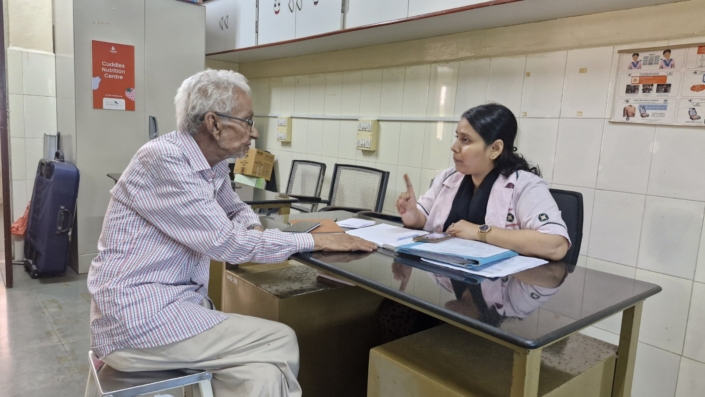
Ageing brings with it a unique set of emotional and psychological challenges. Loneliness, loss of independence, and health anxieties can weigh heavily on the elderly. Dedicated geriatric counselling is provided to support senior individuals through these transitions with compassion and care. Sessions are designed to address mental well-being, emotional resilience, and quality of life. Because every elder deserves to feel heard, valued, and supported in their later years.
Counselling Case Studies
A Patient in Palliative Care
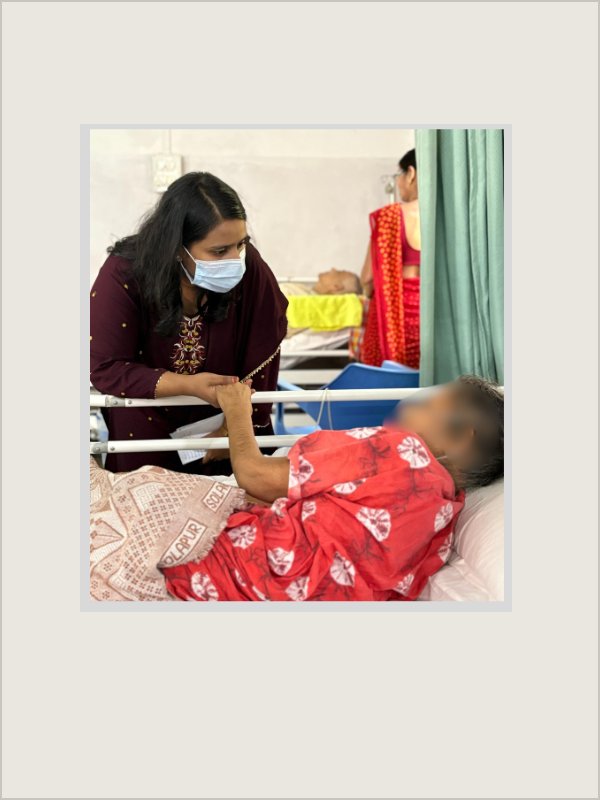
In a palliative care setting, a 61-year-old female patient initially struggled with anxiety due to comparing her illness to those of other patients. During her first counselling session, a thorough case history was taken, and psychoeducation was provided about the hospital’s functioning and treatment plans. The counsellor noticed that her comparisons hindered her focus on her own treatment.
To address this, cognitive restructuring techniques were employed to help her recognise that each illness is unique and that focusing on her own journey was more beneficial. Mindfulness and grounding techniques were introduced to promote presence and calmness. Gradually, she shifted her focus from comparison to her health, resulting in noticeable improvements. Upon discharge, she conveyed deep gratitude for the guidance she received, highlighting the positive impact of the counselling on her emotional well-being.
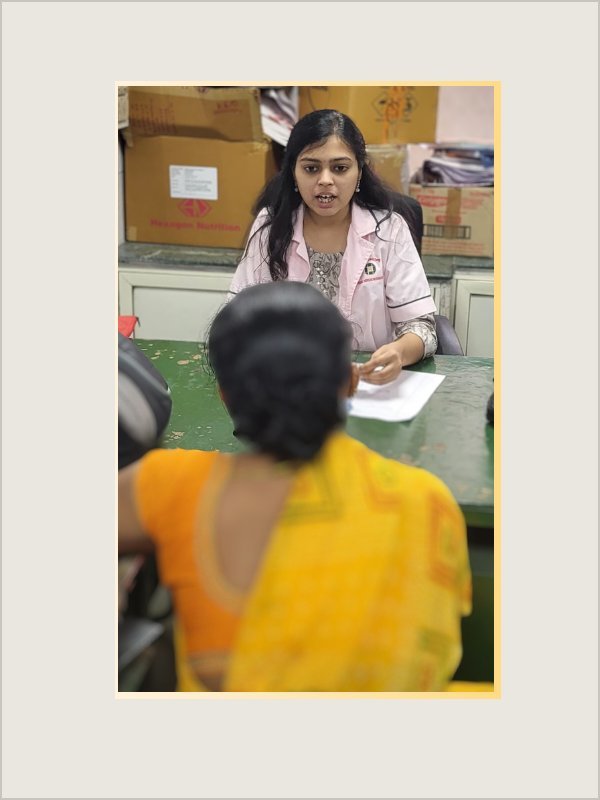
Mira — A Breast Cancer Patient from West Bengal
A 36-year-old breast cancer patient from West Bengal, diagnosed in June 2023, initially struggled with distress over her treatment and financial issues, particularly her inability to pay her daughter’s school fees. During the first counselling session, Mira expressed a desire to stop treatment and return home due to financial strain. Through active listening, the counsellor built trust, emphasised the importance of continuing treatment, and provided practical guidance on budget management.
Mira was also encouraged to communicate with her daughter’s teacher. After practising the conversation, the teacher allowed her daughter to take exams despite the outstanding fees. In later sessions, Mira reported relief and happiness, successfully completing her treatment and entering maintenance therapy — deeply grateful for the holistic support that helped her through this challenging time.
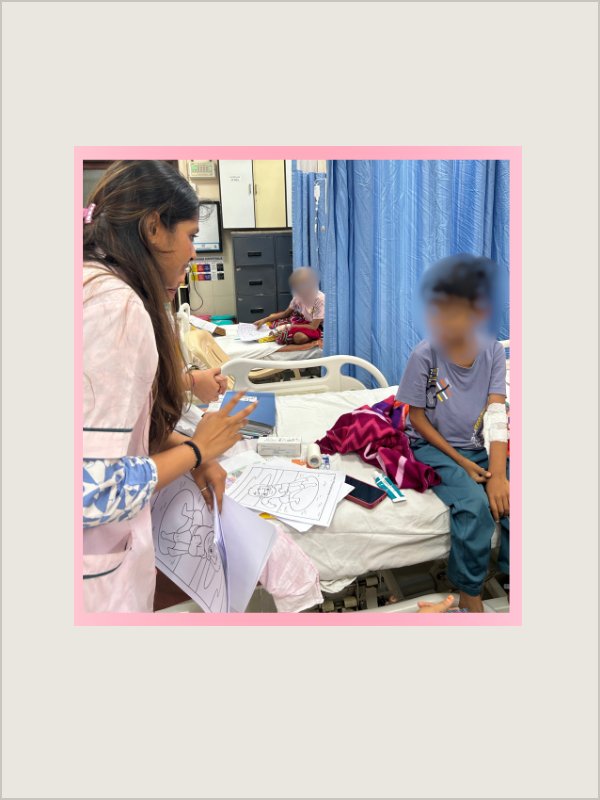
A Grandmother’s Journey from Kutch, Gujarat
In May 2024, the grandmother of a 5-year-old boy from Kutch, Gujarat, diagnosed with Burkitt’s Lymphoma, struggled with overwhelming fear and emotional distress, leading to initial non-compliance with his treatment. The counsellor provided emotional support and psychoeducation, which helped her understand the illness and the importance of treatment.
Gradually, she became more confident and compliant. As her health began to decline under stress, the counsellor introduced self-care strategies like mindfulness breathing, short walks and nutritious snacks. Art therapy was encouraged as a shared activity with her grandson, strengthening their bond. With continued counselling, the grandmother’s well-being improved, and the family is now confidently completing the boy’s treatment.